
 English
 Español
 عربى
عربى русский
Why Windshields Are Vulnerable to Hail
Windshields are made from laminated glass: two glass layers bonded with a plastic interlayer (usually PVB). That interlayer helps prevent penetration, but small and medium hailstones can still crack, chip, or shatter the outer glass layer. The windshield’s large, exposed surface and its location make it a primary target during hailstorms—especially when a car is parked with no overhead protection. Temperature, angle of impact, hailstone hardness, and storm duration all influence whether damage occurs.
Practical Preventive Solutions
Use a layered approach: combine parking strategies with physical barriers and temporary coverings. No single measure is perfect, but together they dramatically cut the risk of cracks and chips.
Parking & positioning
Choose covered parking whenever possible. If you must park outside, orient the vehicle so the windshield faces away from the prevailing wind direction (hail often follows wind). Park under the lee side of structures or under trees that are robust and not prone to branch fall—only when the tree species and health make it a safe choice.
Physical barriers and covers
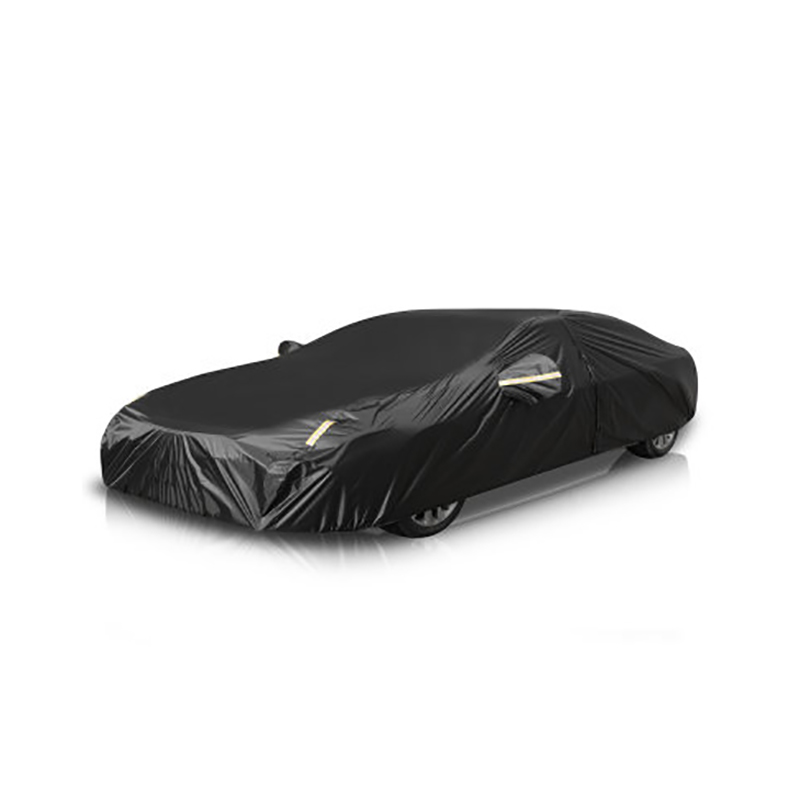
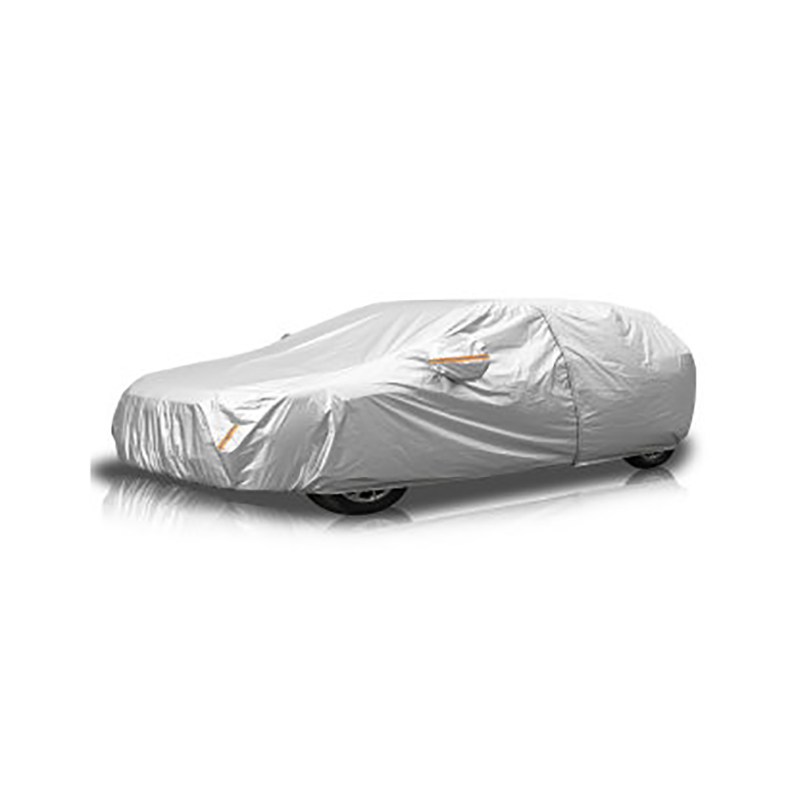
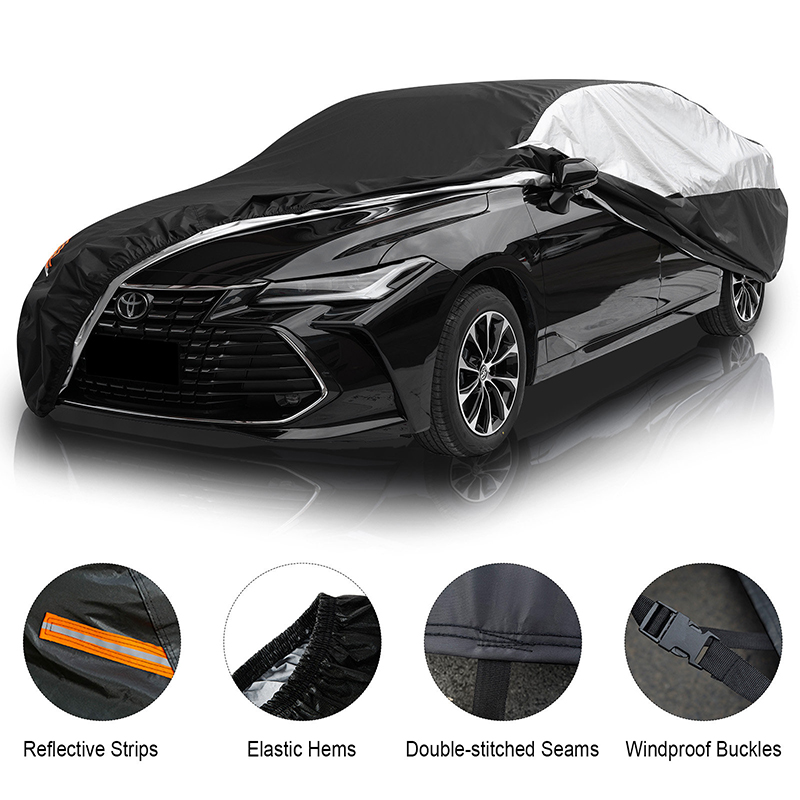
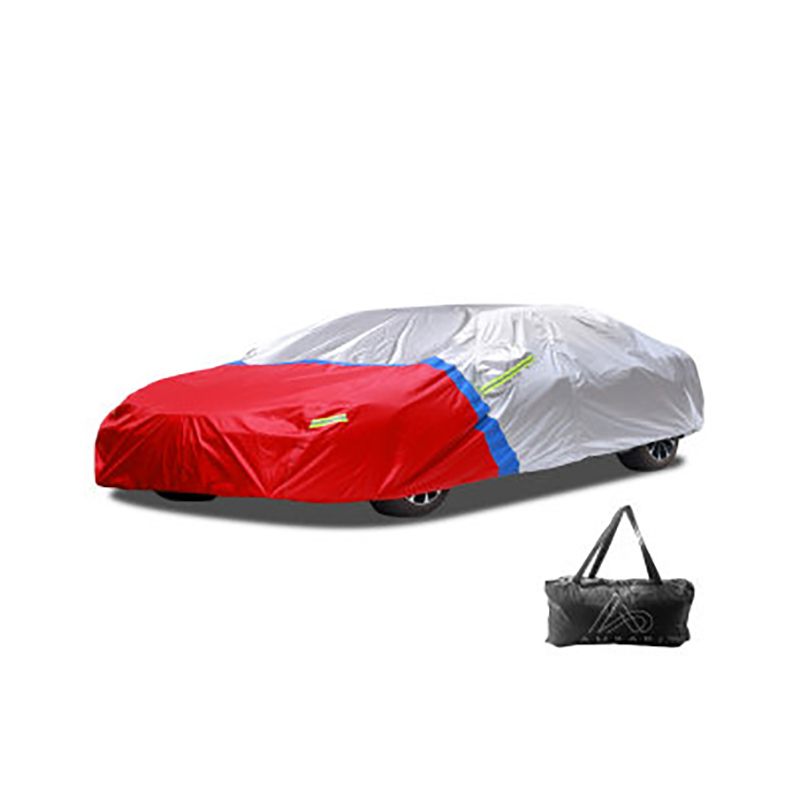
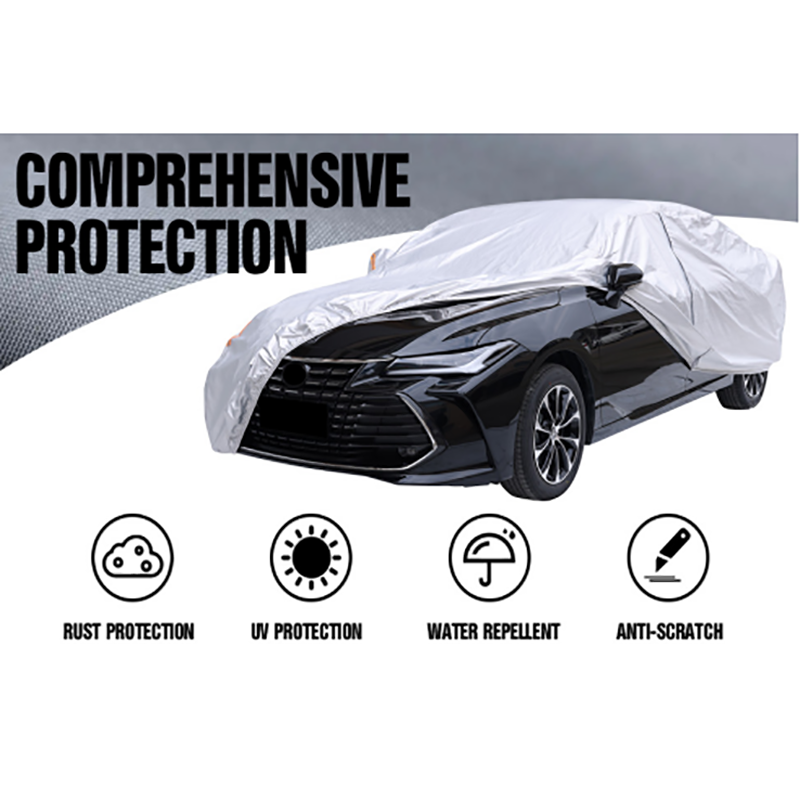
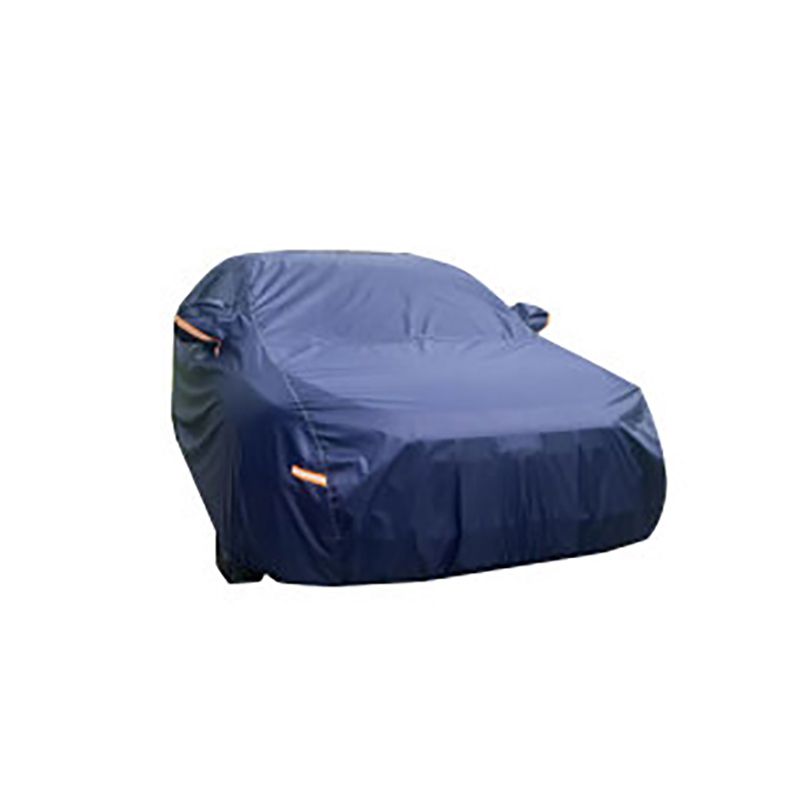
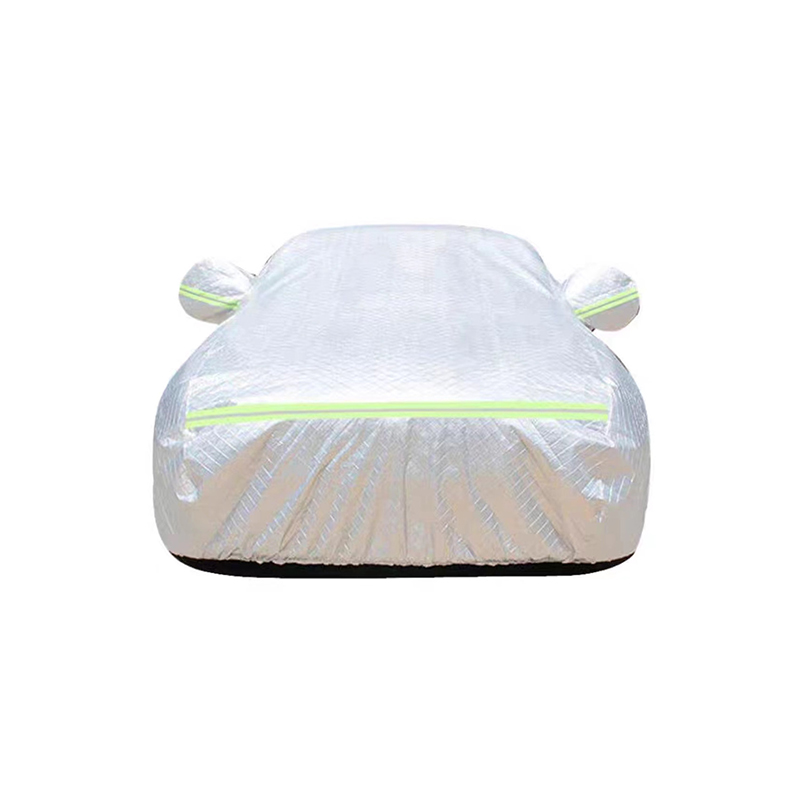
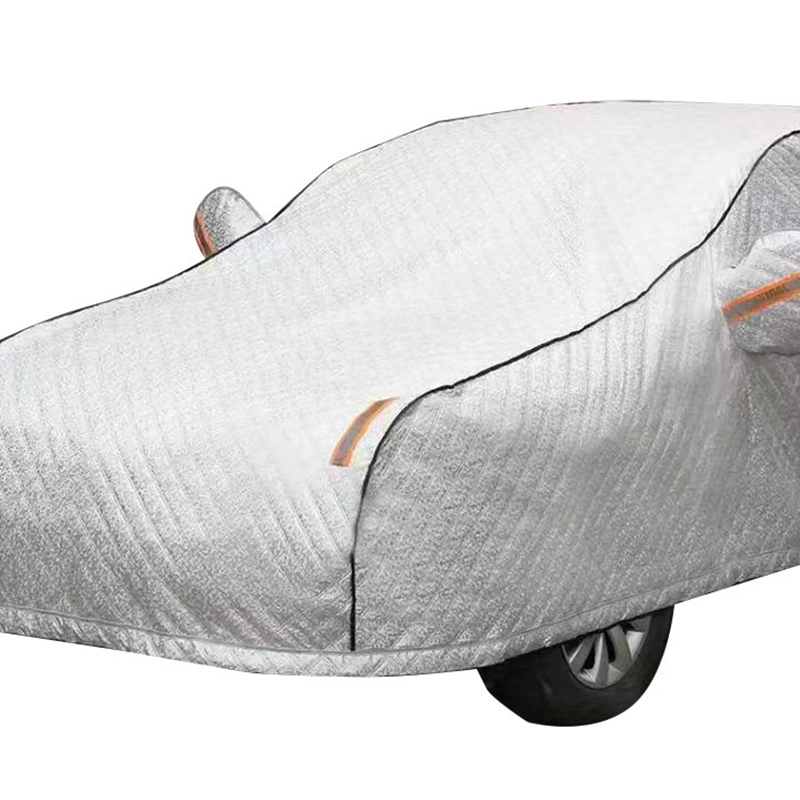
Specialized hail windshield covers, heavy-duty car covers with padding, and thick blankets reduce impact energy. Look for covers with multi-layer padding (foam + reflective fabric) and secure straps to prevent wind from displacing them. For strong storms, inflatable or multi-panel protective cushions perform best because they maintain separation between hail and glass.
Temporary On-the-Spot Fixes During a Hailstorm
If a hailstorm begins and you have no dedicated cover, use what you have: thick floor mats, blankets, jackets, or folded cardboard placed across the windshield and secured with wipers and doors. These reduce impact energy and help avoid larger cracks, though they are far less effective than purpose-built solutions.
- Place thick, non-metal materials over the windshield (blankets, floor mats).
- Secure edges with wipers, door seals, or bungee cords to prevent wind lift.
- Avoid using thin plastic sheets alone — they provide almost no impact protection.
Step-by-Step: Installing a Hail Windshield Cover
A correct installation maximizes protection. Follow these steps for most padded shields or multi-layer covers:
- Clean the windshield quickly to remove dust and grit that could abrade the glass during placement.
- Unfold the cover and orient the padded side toward the glass.
- Place the cover centrally, ensuring full coverage from hood seam to A-pillars and across both side pillars where possible.
- Secure straps under the vehicle, or clip to tire wells or door edges. For inflatable models, inflate per instructions until firm but not overstressed.
- Check tension and re-adjust to avoid wind flap; a flapping cover can cause abrasion and allow hail under the edges.
Comparing Protection Options (Quick Reference)
| Option | Protection level | Portability | Cost |
| Inflatable windshield cushion | High | Moderate | Medium–High |
| Padded car cover | Medium–High | Low–Moderate | Medium |
| Blankets/cardboard (emergency) | Low | High | Very low |
| Permanent garage/covered parking | Very high | N/A | High (infrastructure) |
Long-Term Considerations: Repair, Replacement & Insurance
If your windshield sustains chips or small cracks, prompt repair can prevent spread and avoid full replacement. Many insurance policies cover windshield repair or replacement with little to no deductible—check your comprehensive coverage. Document damage with timestamps and photos, and contact your insurer promptly. When replacement is necessary, always use a reputable installer trained in OEM or equivalent windshield bonding procedures to maintain structural safety and airbag performance.
Buying Guide & Quick Checklist
- Choose multi-layer padding (foam + fabric) and secure fastening.
- Look for UV-reflective outer layers to reduce heat buildup and material degradation.
- Confirm fit for your windshield dimensions and ease of installation.
- Read reviews for wind resistance — a cover that blows off is worse than none.
Final Tips
Combine preventive measures: whenever hail risk is forecast, prioritize covered parking, and keep a compact emergency blanket or set of mats in the trunk for unplanned storms. For regions with frequent severe hail, invest in a purpose-built protective system and review insurance terms annually. Proper preparation cuts repair costs, reduces downtime, and preserves vehicle value.
 +86-13071889821/13757104168