
 English
 Español
 عربى
عربى русский
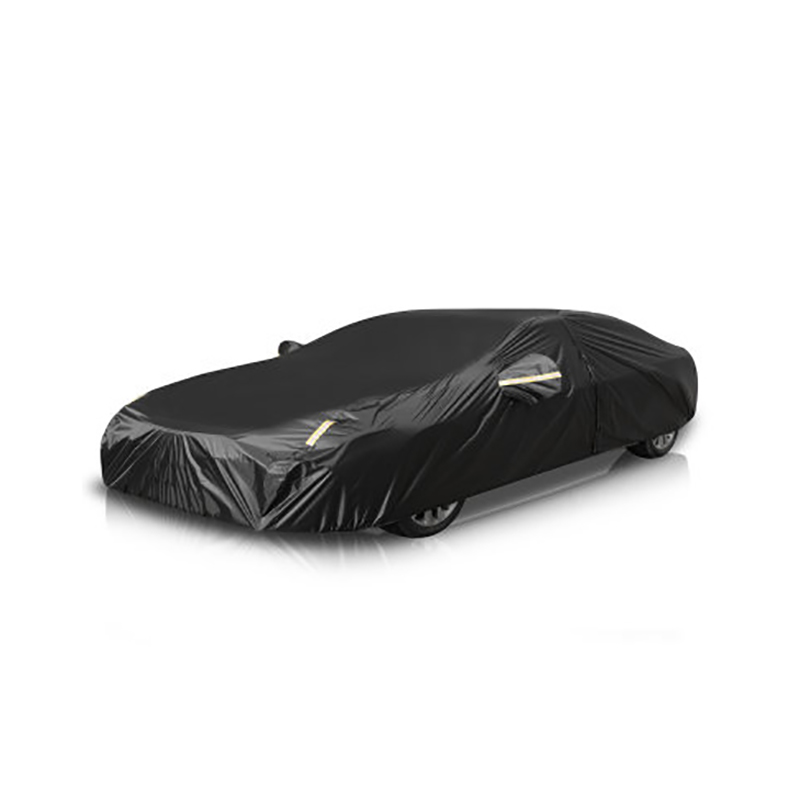
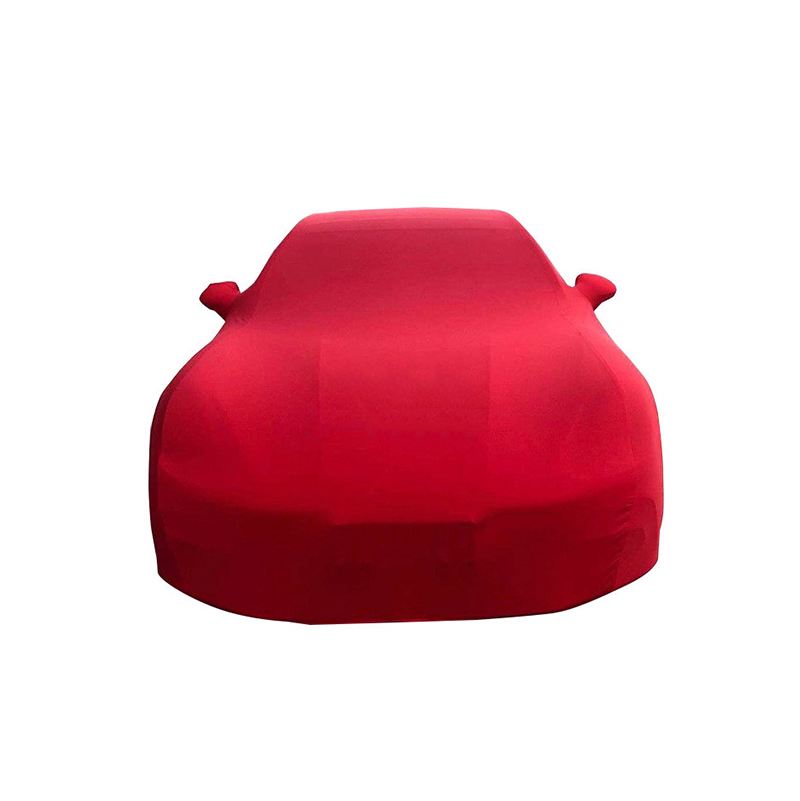
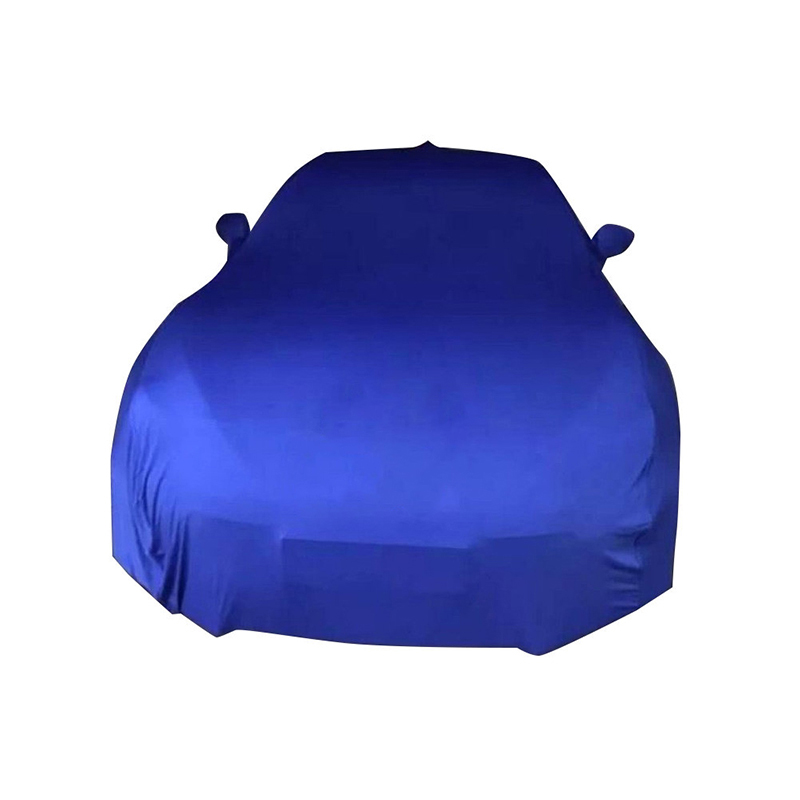
Yes—car covers can protect your car from the sun by blocking UV light and reducing heat load on paint, trim, and the interior. The best results come from a well-fitted, reflective, breathable cover used on a reasonably clean vehicle.
Sun damage is mainly a UV problem (fading, oxidation, drying and cracking) plus a heat problem (accelerated material aging and interior stress). A cover helps because it creates a physical barrier between solar radiation and your surfaces.
How car covers protect from sun
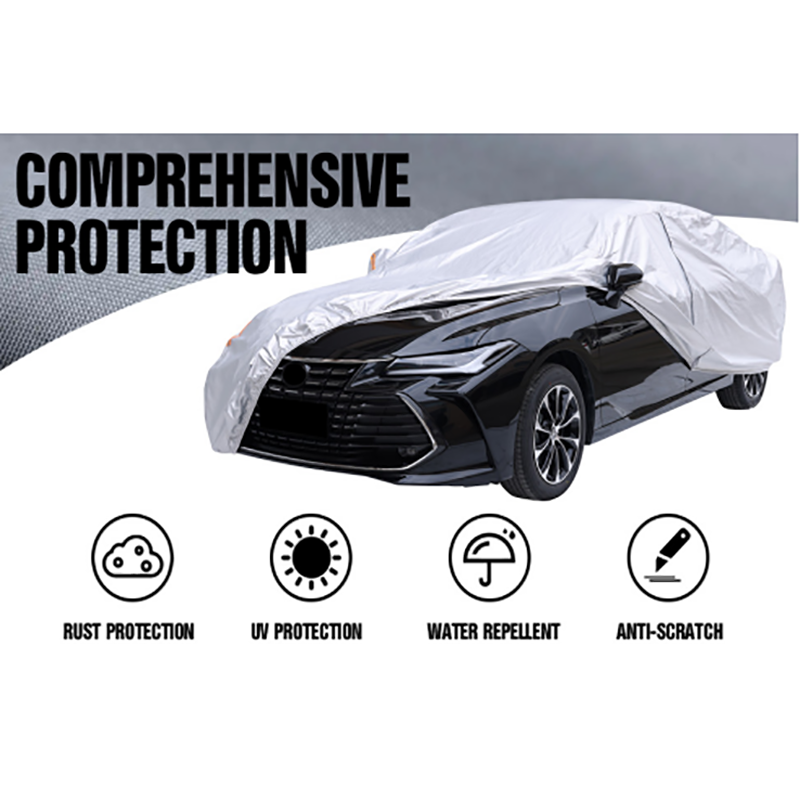
A car cover protects from sun in two ways: it reduces how much ultraviolet radiation reaches your paint and plastics, and it lowers the heat absorbed by the body panels and cabin.
What improves when you use a quality cover
- Slower paint fade and oxidation: less UV exposure means pigments and clear coat age more slowly.
- Less plastic and rubber drying: trim, wiper arms, window seals, and mirror housings typically last longer when UV is blocked.
- Cooler surfaces: reflective outer fabrics reduce radiant heating compared with a dark, uncovered finish.
- Interior protection: dashboards and seats are shielded from direct sun, slowing fading and cracking.
Practical takeaway: if your car lives outdoors and you cannot consistently park in shade, a sun-focused cover is one of the highest “impact per dollar” protections you can add—especially for darker colors and vehicles with large dashboards and lots of glass.
What a car cover will not do (and common mistakes)
A cover helps with sunlight, but it is not a magic shield. Certain “cover habits” can create new problems—mostly scratches and trapped moisture.
Limits to understand
- Dust + wind can abrade paint if the cover flaps or if grit is trapped under it.
- Non-breathable “plastic tarp” covers can trap moisture, increasing the chance of water spotting and mildew odors.
- Thin, rough liners can haze clear coat on darker paints over time, especially if installed on a dirty car.
- Hail protection requires specialized padding; most sun covers are not built for hail impact.
If you want sun protection without added paint risk, prioritize a soft inner liner, a snug fit, and breathability—and avoid installing the cover over visible dust or pollen.
How to choose a cover that actually protects from sun
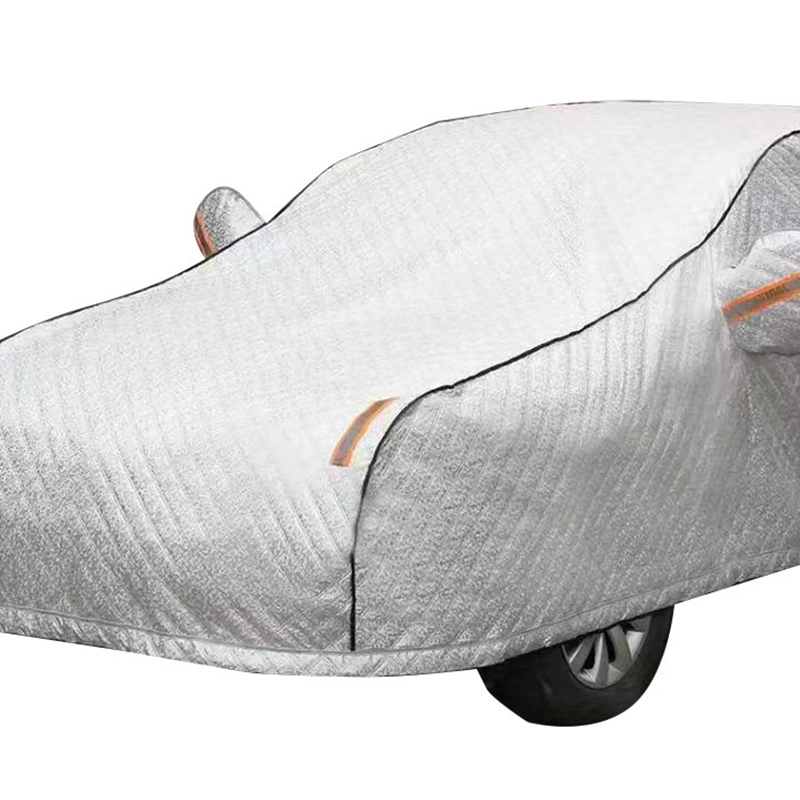
Not all covers provide meaningful sun protection. The best “sun covers” combine a reflective exterior, UV-resistant fibers, and enough structure to stay tight without flapping.
Key selection criteria
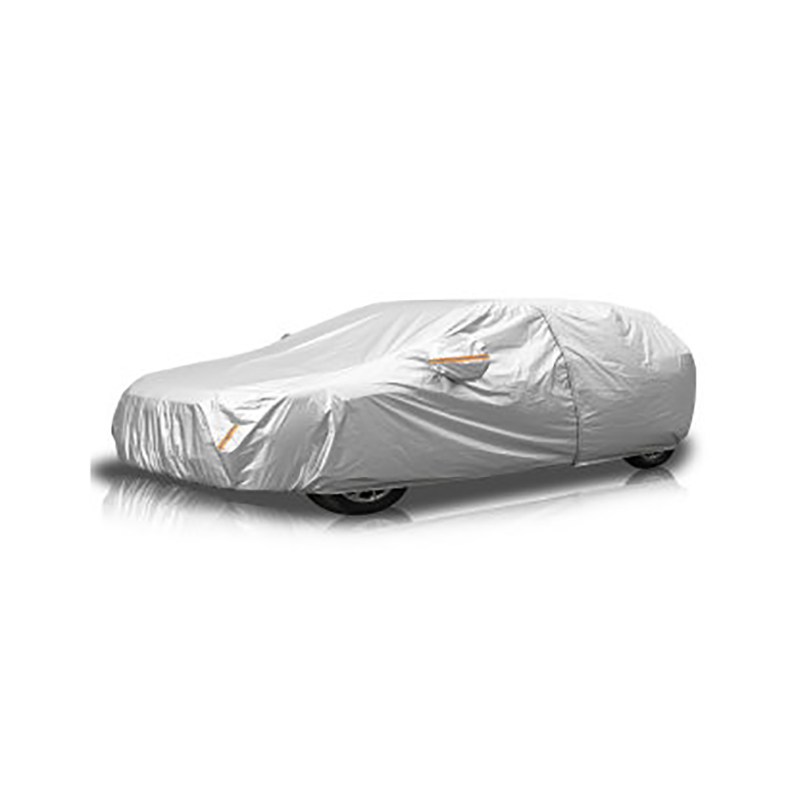
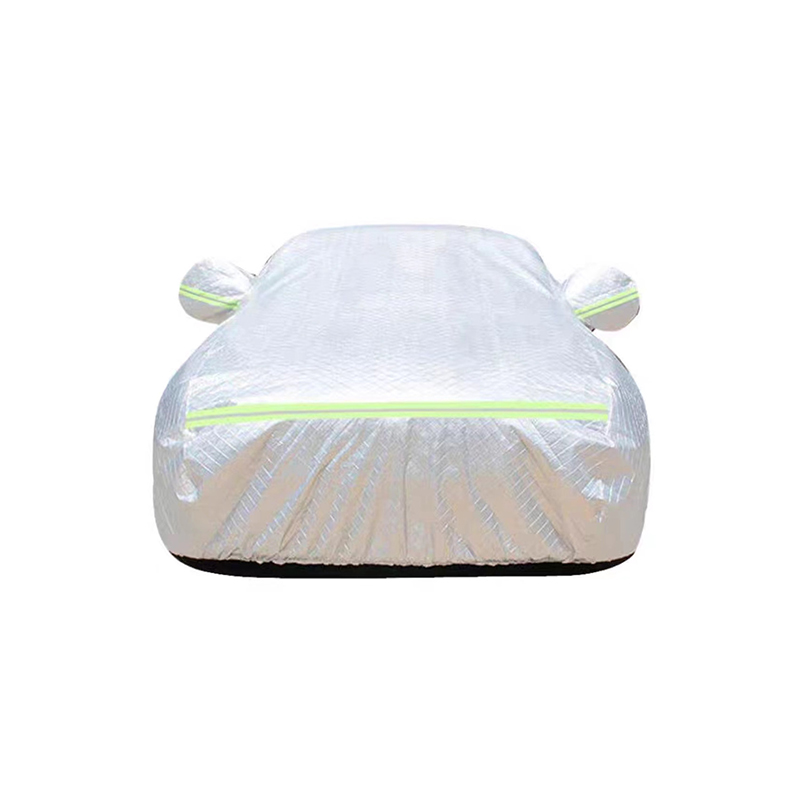
- Reflective exterior: silver or aluminized surfaces tend to reflect more sun than dark fabrics.
- Breathable construction: look for woven or layered fabrics designed to vent moisture.
- Soft inner liner: reduces micro-marring risk on clear coat.
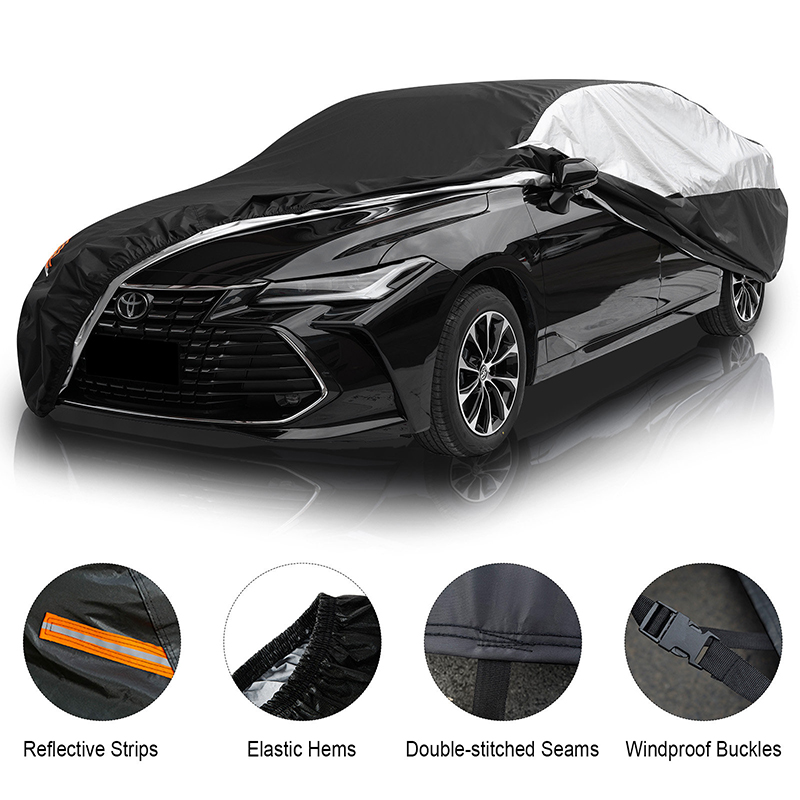
- Vehicle-specific fit: mirror pockets, antenna provisions, and hem shape reduce flapping.
- Securement: elastic hem plus underbody straps and (ideally) grommets for a cable lock in windy areas.
| Cover type | UV / sun performance | Heat control | Risk of paint issues | Best use case |
|---|---|---|---|---|
| Basic “dust cover” | Low to moderate | Low | Low indoors; higher outdoors if it flaps | Garages, storage |
| Outdoor all-weather (non-reflective) | Moderate | Moderate | Moderate if dirty or windy | Mixed climates, mild sun |
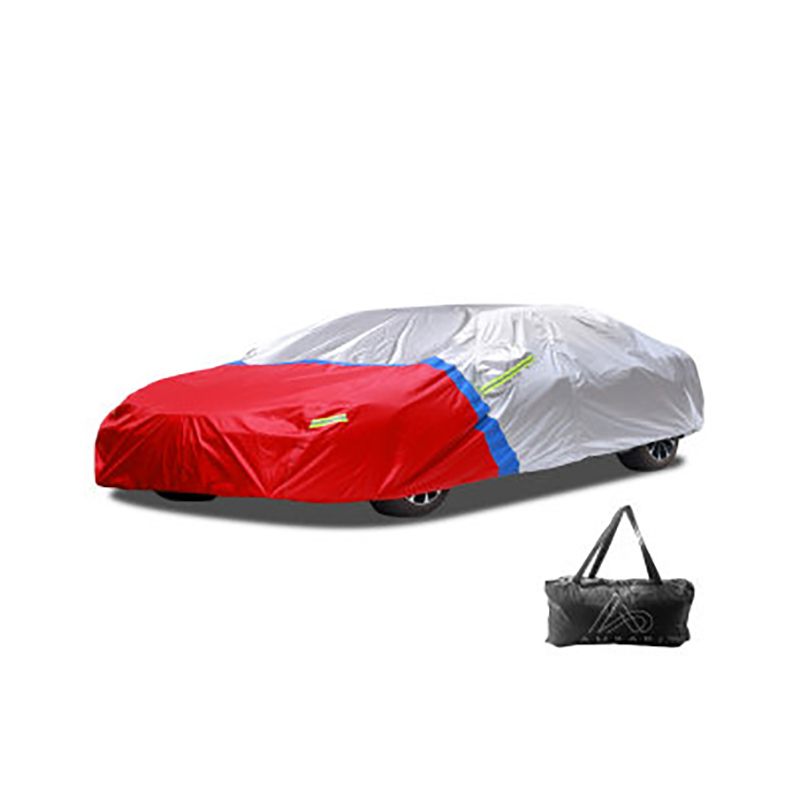
| Reflective “solar” cover | High | High | Low to moderate with good liner + fit | Hot, sunny parking (driveway/street) |
| Padded hail + sun cover | Moderate to high | Moderate | Moderate (bulkier, more handling) | Hail-prone regions |
If your main goal is sun protection, a reflective “solar” cover with a soft liner and secure straps is usually the most practical choice.
How to use a car cover for sun protection without scratching paint
Most complaints about covers come from incorrect use. The simplest way to avoid scratches is to keep contact surfaces clean, install the cover tightly, and limit flapping.
A low-scratch routine that takes minutes
- Quick-check the paint. If you can write your name in dust on the hood, rinse or use a gentle waterless wash first.
- Fold the cover “inside-out” to the center so the liner never drags on the ground while positioning it.
- Place it on the roof first, then unroll toward the hood and trunk. This reduces snagging on trim.
- Secure straps and tighten the hem. The goal is minimal movement at the corners and wheel arches.
- In wind-prone areas, add a belly strap or cable lock through grommets to stop ballooning.
Operational tip: if you cover daily, keep a compact duster or rinseless-wash kit handy. The cleaner the surface, the safer the cover becomes.
How much heat can the sun create—and why covers matter
Even when the outside temperature seems manageable, a parked car in direct sun can become extremely hot. That heat accelerates material aging and increases interior stress on dashboards, screens, leather, vinyl, and adhesives.
Real-world example numbers (to anchor the decision)
- On an 80°F day, the inside of a parked car can reach about 123°F in roughly one hour in the sun.
- Dashboards and upper surfaces can climb much higher; values around 160–165°F within about an hour have been reported in hot-sun conditions.
A reflective, well-fitted cover reduces direct solar loading on the glass and body panels. While it will not make the cabin “cool,” it can meaningfully reduce peak surface temperatures and slow down long-term UV-driven deterioration.
Extra protection that stacks well with a car cover
A cover is most effective when combined with one or two additional, low-effort protections. These are especially valuable if you cannot cover every day.
High-leverage add-ons
- Windshield sunshade: protects the dash and reduces radiant heating through the largest glass surface.
- Paint protection: a good sealant or ceramic coating can add UV resistance and make dust easier to remove before covering.
- Interior UV protectant: helps vinyl and rubber resist drying (especially on high-touch areas like steering wheels and door tops).
- Parking strategy: even partial shade during the hottest hours reduces cumulative UV and heat exposure.
If you must choose only one additional item, a windshield sunshade is typically the fastest upgrade for interior longevity.
FAQ: do car covers protect from sun in common scenarios?
Do car covers protect interior dashboards and seats from sun?
Yes. By blocking direct sunlight through the glass, a cover reduces UV exposure on the dash and upper seat surfaces. For best results, pair it with a windshield sunshade.
Can a car cover damage paint?
It can if dust or grit is trapped underneath, or if a loose cover flaps in wind. A soft liner + clean surface + tight fit is the combination that prevents most cover-related marring.
Is a cheap cover better than nothing for sun protection?
Sometimes—but it depends on fit and liner quality. If the cover is thin and moves a lot, the abrasion risk can offset the sun benefit. For daily outdoor use, prioritize reflective fabric and a soft interior contact surface.
Do I need a waterproof cover for sun protection?
Not necessarily. For sun-heavy climates, breathability and UV performance matter more than full waterproofing. Water-resistant and breathable is often the safer choice to reduce trapped moisture.
What is the simplest recommendation?
Use a reflective, breathable, vehicle-specific cover on a clean car and strap it down. That approach provides reliable sun protection with minimal downside.
 +86-13071889821/13757104168