
 English
 Español
 عربى
عربى русский
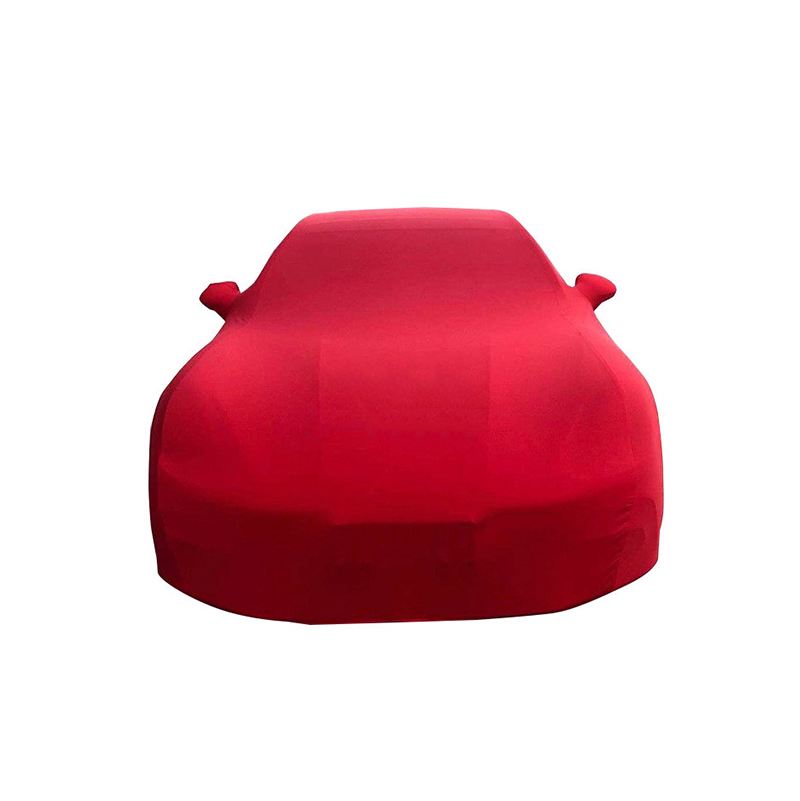
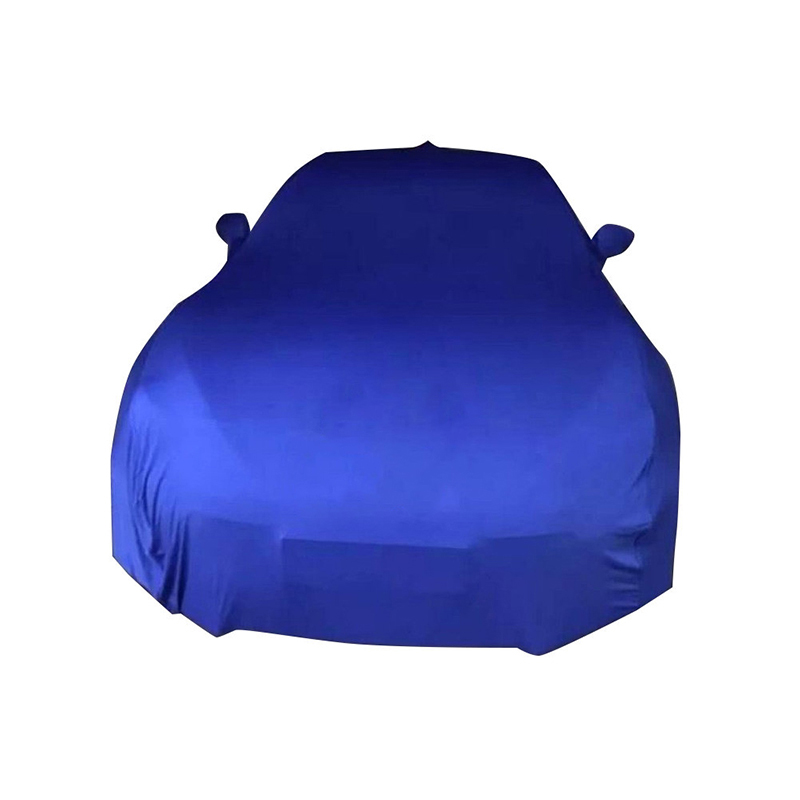
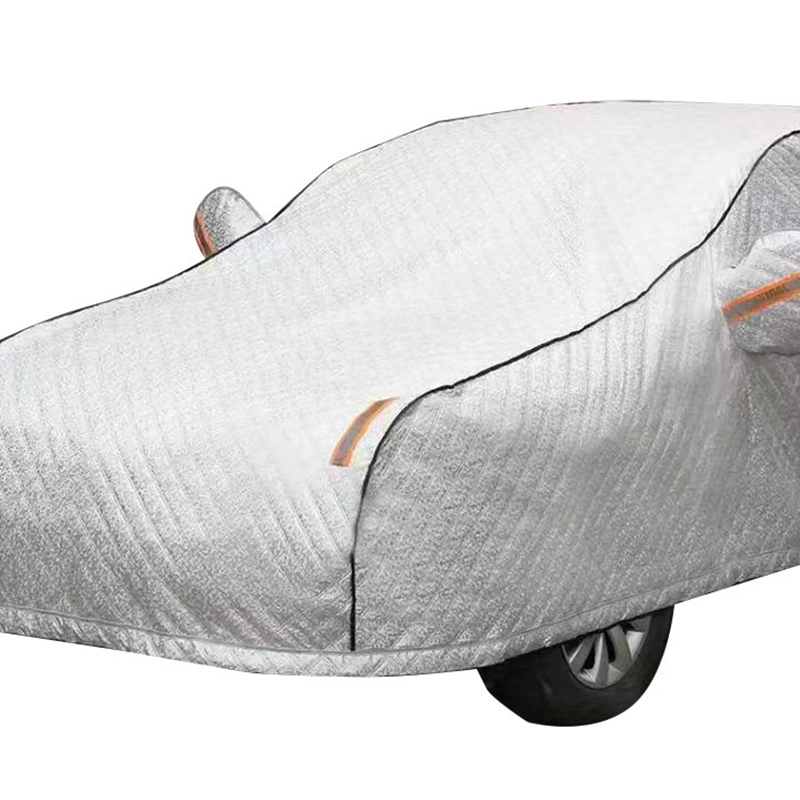
For most convertibles parked outdoors, the best choice is a breathable, multi-layer car cover with a soft inner liner and secure tie-downs—snug enough to stop wind flap, but ventilated enough to prevent trapped moisture on the soft top and paint.
Choose the right convertible car cover by location and risk
A convertible needs a cover that protects paint and the roof material (fabric or vinyl) without trapping heat or moisture. The “best” cover depends on whether you park indoors, outdoors daily, or for long storage.
Outdoor daily parking
- Prioritize breathability + a soft inner liner to reduce condensation and micro-scratching.
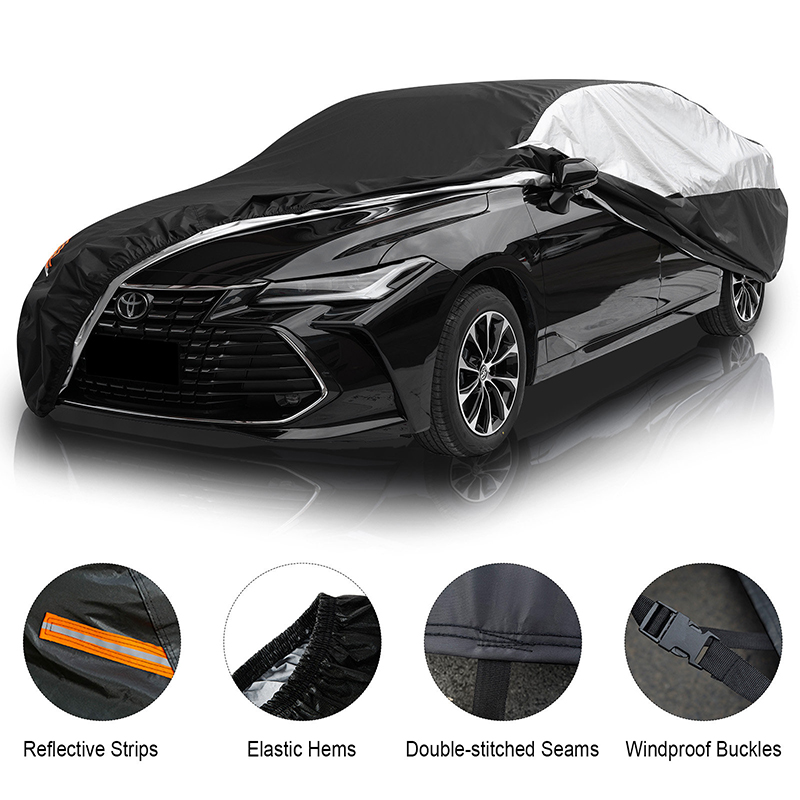
- Look for reinforced seams, mirror pockets, and hem elastic to keep the fit stable in wind.
- If wind is common, choose covers with at least two underbody straps (front-to-back and side-to-side if available).
Indoor or garage parking
- A lightweight, breathable dust cover is usually sufficient and easier to put on and remove.
- Softness matters more than waterproofing; a paint-safe inner surface reduces swirls when you handle the cover frequently.
Long-term storage
For storage, avoid “sealed” covers that trap moisture. A breathable fabric with vents helps prevent mildew odor on the soft top and reduces the chance of moisture spotting on paint.
Convertible-specific features that matter
A standard car cover can work, but convertibles benefit from a few details that reduce wear on roof fabric and trim.
Prevent roof abrasion and wind flap
- A soft inner liner reduces scuffing on the soft top and paint where the cover contacts edges and creases.
- A snug hem and strap system reduces wind movement, which is a common cause of dulling and swirl marks over time.
Manage moisture, not just rain
- “Water-resistant” plus breathability is often safer than fully waterproof for convertibles parked outside regularly.
- Vent panels or breathable zones help reduce condensation that can contribute to mildew smell on fabric tops.
High-friction contact points
Check how the cover treats mirrors, antennae, spoilers, and sharp trim. Mirror pockets improve stability and reduce tugging. If your convertible has a fixed antenna, choose a cover with an antenna patch or plan to fold/remove the antenna where possible.
Get the fit right: sizing and measurement steps
Fit is the difference between protection and paint wear. Too loose and the cover flaps; too tight and it stretches seams and shifts off corners.
Measure for a convertible car cover
- Measure overall length from the front bumper to the rear bumper (follow the body line, not the ground).
- Measure width at the widest point (often mirror-to-mirror if mirrors don’t fold, otherwise fender-to-fender).
- Note height at the highest point (roof up), especially if you have a luggage rack, spoiler, or roll hoops.
- Confirm whether the cover is “custom-fit” for your model or “semi-custom” by size class; choose the smallest size that fully covers without forcing.
Practical fit targets
- Hem coverage: the cover should reach the lower body line and tuck slightly under the bumpers without dragging on the ground.
- Tension: you should be able to pull the cover over mirrors without overstretching seams or distorting the fabric.
- Wind stability: if you can lift the cover easily at the corners, expect wind flap; prioritize better elastic + straps or a more specific fit.
Match cover material to weather: a practical comparison
Use this table to align your convertible car cover with the conditions that cause the most damage—UV, wind, moisture, tree debris, or winter exposure.
| Scenario | Best cover traits | Why it works |
|---|---|---|
| Hot sun + outdoor | UV resistance, breathable fabric, soft liner | Reduces heat buildup and limits finish fading while protecting the soft top from drying |
| Frequent rain | Water resistance + vents, sealed seams, strap system | Sheds water while reducing trapped moisture that can cause mildew odor |
| Windy area | Snug fit, strong elastic hem, multiple underbody straps | Minimizes cover flap that can create swirl marks and abrade roof fabric |
| Snow / ice exposure | Durable multi-layer, smooth outer surface, secure straps | Helps snow slide off and keeps the cover in place during freeze-thaw cycles |
| Indoor storage | Lightweight, ultra-soft, breathable | Protects from dust and incidental contact without trapping humidity |
Rule of thumb: if your convertible regularly sees humidity swings (cool nights, warm days), breathability and vents are often more important than extreme waterproofing.
How to put on and secure a convertible car cover without paint damage
Installation technique affects swirl marks as much as the fabric does. Most cover-related paint marring comes from dragging a dusty cover across the hood or letting wind whip the cover while you’re fitting it.
Fast, low-friction install method
- Start with a clean car and a clean cover. If either is dusty, you are effectively rubbing grit into the finish.
- Unfold the cover on itself, then place it gently from the roof area outward (roof, rear deck, then hood), avoiding drag across panels.
- Fit mirror pockets (if present) and pull the hem down evenly around bumpers.
- Attach underbody straps snugly—tight enough to reduce movement, not so tight that seams are under constant tension.
Security and theft deterrence
- Use a lockable cable through grommets (if included) to discourage casual removal in public parking.
- In high wind, straps provide more protection than a cable alone because the goal is stability, not only security.
Maintenance: keep the cover effective and extend its lifespan
A convertible car cover is a wearable item. As the outer surface picks up grime, the inside can transfer that contamination to paint or roof fabric unless you clean it periodically.
Cleaning and storage best practices
- Shake out debris before removal and before re-installing; trapped grit is a primary cause of micro-scratches.
- If the cover becomes soaked, let it dry fully before storing to reduce odor and mildew risk—especially important for fabric soft tops.
- Store in a breathable bag rather than an airtight container if your climate is humid.
When to replace the cover
Replace the cover when it no longer stays tensioned, loses water shedding ability, or shows inner-liner roughness. If you can feel stiff or gritty areas inside the cover, it is safer to retire it than risk repeated paint marring.
Bottom line: the right convertible car cover is breathable, lined, and securely fitted—because a stable cover protects better than a “heavier” cover that flaps or traps moisture.
 +86-13071889821/13757104168